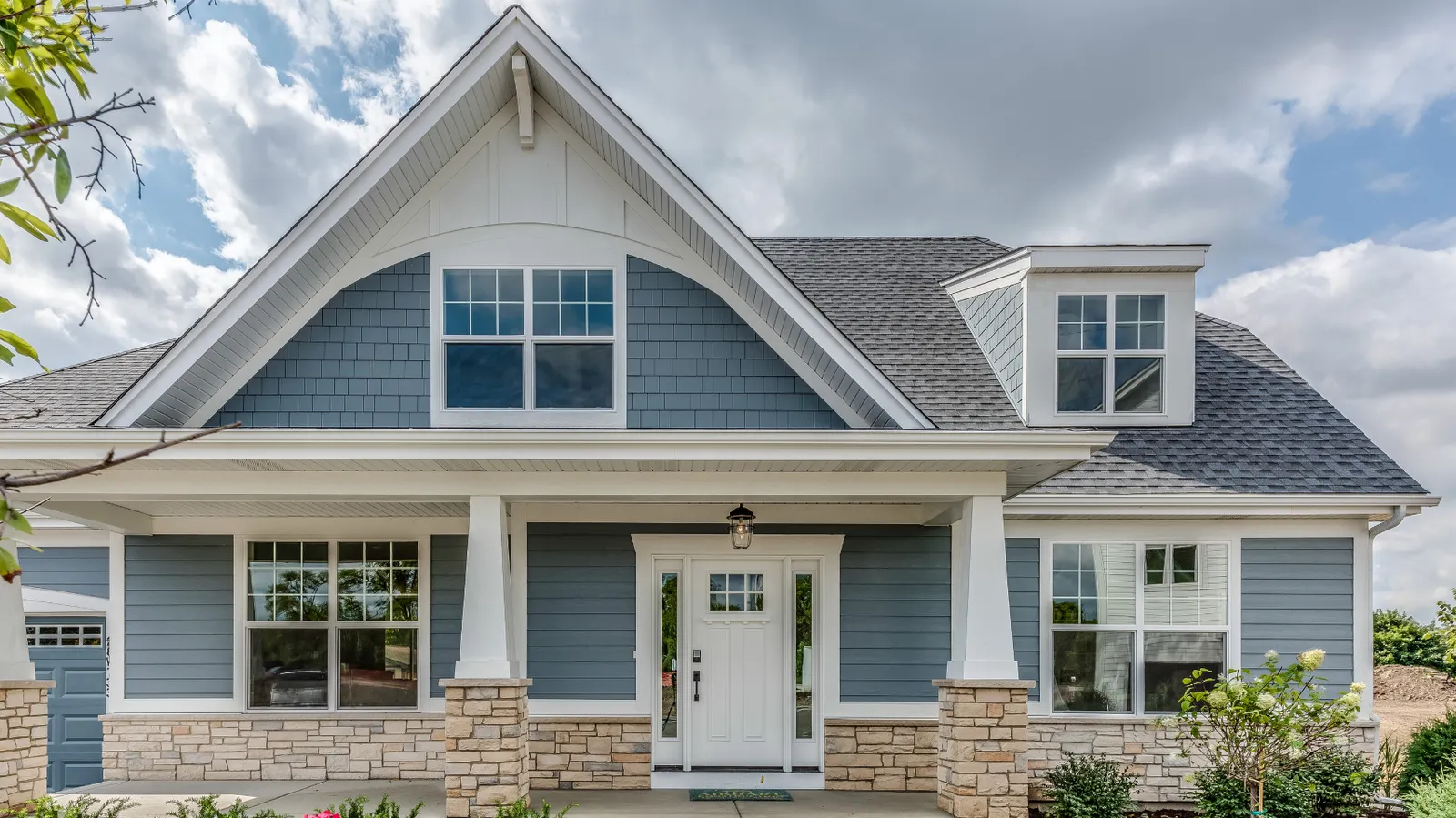
Roofing Warranty in Weatherford, TX
A roofing warranty is normally two documents with two backers, and which one pays depends on what actually failed.
Who pays when a new roof leaks? Almost nobody finds out until it happens, and by then it is the paperwork that decides it.
A Weatherford roof carries two separate warranties
Two documents stand behind a new roof, and they come from two different parties.
One document comes from the manufacturer and stands behind the shingle itself. The second stands behind the labor. Flashing trimmed short, nails driven high, a pipe boot sealed carelessly: none of that is a product fault, so no factory warranty will touch it. That failure lands on your roofer's workmanship warranty, which is a promise made by a different party entirely.
A leak from a shingle that came apart is a different conversation from a leak where a flashing was cut short, even though the two look identical from inside the house. Settling which one you have is the first useful step, and it is usually obvious once a roofer is up there looking at it.
On a Weatherford roof, who carries which warranty
A complete estimate names both of them, because the two answer to different people.
The material warranty
This document answers for the goods on the roof, which means shingles, underlayment, ridge caps and whichever approved accessories went up with them. A defective shingle is the factory's liability, though the warranty assumes the roof went on to the manufacturer's spec: an install that departed from it is the most common reason a manufacturer turns a material claim down.
Limited lifetime is industry language, not a promise of permanence. In general it buys full, undiminished cover for an opening stretch of roughly 10 to 15 years, and after that the payout shrinks as the roof ages and typically covers the material alone. Selling the house ends it unless the warranty is transferred, and that window is short.
The workmanship warranty
This document answers for the quality of the install, so flashing, fastening, sealing, the seals where pipes and vents come through, and any leak that traces back to one of them.
Nothing standardizes the length, which is why the spread is so wide. The number matters less than the backer. A promise written only by the contractor survives exactly as long as that contractor trades, whereas cover underwritten by a manufacturer, on a complete single-brand system, keeps running afterwards and can reach 20 to 25 years.
Numbers move by manufacturer, by product line and by roofing company. The one that binds is the one printed on your estimate.
What each warranty pays for, and what it will not
Read across before you read down. The row tells you what is covered; the column tells you who is standing behind it.
| Material warranty | Workmanship warranty | |
|---|---|---|
| Set by | The company that made the shingle | The roofer who installed it |
| Answers for | Faulty goods | Mistakes made during the install |
| Usual term | Often 10 to 30 years; limited lifetime on many lines | Frequently 2 to 10 years |
| Longest terms | A longer undiminished window when one brand's full system goes on together | 20 to 25 years and beyond under a manufacturer-backed program |
| Will not cover | Installation mistakes, neglect, or weather | Faulty goods, neglect, or weather |
| After a sale | One transfer is common, filed with the manufacturer soon after closing | Whatever your roofer's own terms allow |
Manufacturers and roofing companies set these figures.
How coverage gets lost without anyone telling you
Nothing below is a trap. All six settle more easily while the estimate is still a draft than after a leak.
New shingles over the old roof
Material cover assumes a stripped, clean deck, so going over what is already up there often shortens or ends it.
Attic venting short of code
Trapped heat cooks a deck from beneath, and most shingle warranties are written on the assumption of airflow to code.
Mixed-brand components
The enhanced programs generally want one manufacturer front to back, so mixing in another brand's underlayment or accessories can break the system cover. The shingle's own material cover is a separate document.
Later work by another trade
A dish mount or a solar bracket screwed through the roof by somebody else can undo what your roofer signed.
Not in the right program
An enhanced program is something the manufacturer issues, and the roofer has to sit in the right certification tier to offer one at all. Ask which program your estimate qualifies for.
The labor term left unwritten
A spoken number is not a term. Get the years and the backer typed onto the estimate.
What your roofer signs, and what Weatherford Roofing Co does not
Whoever installs the roof owns the workmanship promise. Our roofers state the term on the estimate before the first shingle moves, while it is still a draft and easy to change. The material promise stays with the company that made the shingle. Both papers are signed by the parties that stand behind them, and both end up in your file.
What people ask once they read the fine print
Five answers worth having before the estimate gets signed. Every one of them is something the paperwork in front of you should already say.
Your Weatherford roofer puts the terms in writing
A roofer looks the roof over, prices the work, and puts the workmanship term on the same sheet as the figure. Taking the paperwork away and stopping there is a perfectly acceptable outcome.